


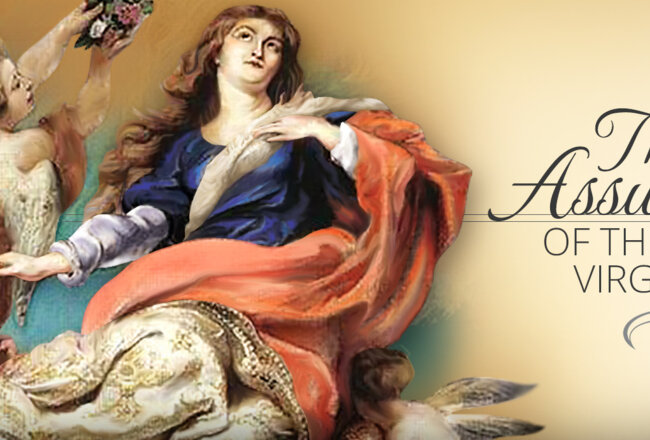
The Feast of the Assumption: Understanding its Significance
The Solemnity of the Assumption of the Blessed Virgin Mary, celebrated annually on August 15th, marks a profound moment in Christian tradition and theology. This feast commemorates the belief that Mary, the mother of Jesus, was assumed body and soul into heaven at the end of her earthly life. It is a celebration of Mary’s unique role in salvation history and her exemplary faith and devotion.
Why We Celebrate the Assumption
The Assumption is a testament to the dignity and sanctity of Mary, who, through her unwavering faith and obedience to God’s will, became the mother of our Savior. This solemnity underscores the hope of eternal life and the promise of resurrection for all who follow Christ. It reminds the faithful of the ultimate destiny that awaits those who live in accordance with God’s will.
Origin of the Solemnity
The belief in Mary’s Assumption has ancient roots in the Christian tradition, with early references dating back to the 4th and 5th centuries. However, it was not until November 1, 1950, that Pope Pius XII formally defined the dogma of the Assumption in the apostolic constitution Munificentissimus Deus. This declaration affirmed that Mary was “assumed body and soul into heavenly glory.”
